Cart (0)
No products in the cart.
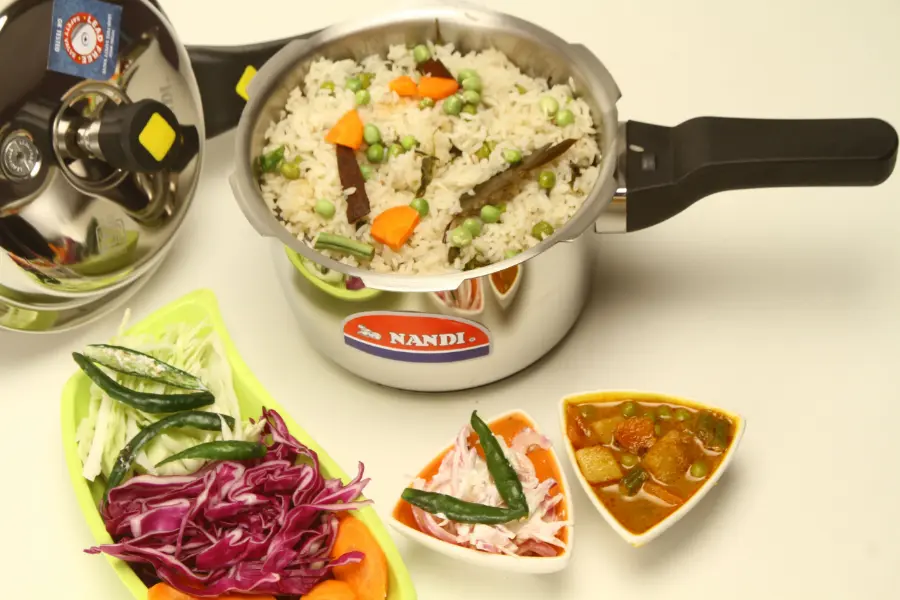
Most advice on how to choose a rice cooker starts with the heating system. Induction and pressure are what set the price, so they’re what the box sells hardest.
Start with two questions. How much rice do you cook at once, and how many parts will you wash after dinner? Get those wrong and no heating system saves the purchase. Get them right and a basic model will probably do.
Capacity is the biggest number on the box and the one buyers misread most often. The cup being measured is smaller than you think, and the rice in it may be raw or cooked.
The plastic cup packed with a rice cooker holds 180 ml. A US measuring cup holds 240 ml. When a capacity rating or the water lines inside the pot say “cups,” they mean the smaller one. Lose the plastic cup and use a 3/4 US cup in its place, or the rice won’t match the water lines.
Some cookers are rated by the dry rice they take, others by the cooked rice that comes out. Rice roughly doubles as it cooks. A cooker sold as “6 cups cooked” therefore holds about 3 cups raw, the same as a model sold as a 3-cup. Check which one a listing means before you compare sizes.
One rice cup of raw rice makes about two servings, which gives you a working guide:
Buying guides don’t agree on where a family of four lands. One says 5.5 cups, another says 6. By the numbers above, a 3-cup model already feeds four people eating rice as a side. Size up for leftovers or weekly meal prep. Otherwise the bigger pot just takes more counter and more sink.
Cleanup decides whether a rice cooker gets used or ends up at the back of a cupboard, and most buyers never check it before ordering. The answer is usually sitting on the spec sheet.
A basic cooker with a loose glass lid gives you two things to clean: pot and lid. Hinged-lid models often add a removable inner lid, a steam vent cap and a small tray that catches condensation. Starch builds up on all of them, and each one needs a rinse after every batch.
“Dishwasher safe” on a listing may not cover every part. Look for a line on each removable part, from the inner pot down to the paddle. If a part isn’t mentioned, check the manual before it goes in the dishwasher, and wash it by hand until you know.
Non-stick pots need one extra habit. Metal spoons scratch the coating, so serve with the plastic paddle or silicone cooking utensils.
A cooker that also steams and slow-cooks comes with baskets and trays that you have to store and clean. Buy those functions only if you’ll use them every week.
A rice cooker usually lives on the counter, so footprint matters as much as capacity. Measure the width and depth you can spare, then the height under your wall cabinets. Hinged lids swing up, and the figure that counts is the cooker’s height with the lid fully open.
Steam needs room too. Under a cabinet it condenses on the wood, so pull the cooker forward while it runs. If an air fryer already has your best stretch of counter, decide which machine gets it before the second one arrives.
Heating does change how a cooker works. But most claims about better-tasting induction or pressure rice come from the companies selling those models, and the buying guides you’ll find for this search don’t include independent comparisons.
If rice is on your table most days or you cook a lot of brown or short-grain rice, a fuzzy logic or induction model is easier to justify. You’ll use the extra settings and eat enough rice to notice small changes in texture.
Once or twice a week is a different case. A basic cooker in the right size will serve you better than an induction model in the wrong one.
Cook rice less than once a week and you may not need one at all. A heavy saucepan with a tight lid from your cookware shelf makes good rice with a measured ratio and a timer, then goes back in the cupboard.
A rice cooker saves you attention on busy nights. That’s only worth counter space if you use it often.
Before you order, check three things:
If a model fails one of them, keep looking, however good its heating system sounds.
Share:
How each one works, which cooks rice better and faster, and which one suits the way you cook.
Learn how to choose an air fryer based on size, capacity, features, power, and budget with this simple buying guide.