Cart (0)
No products in the cart.
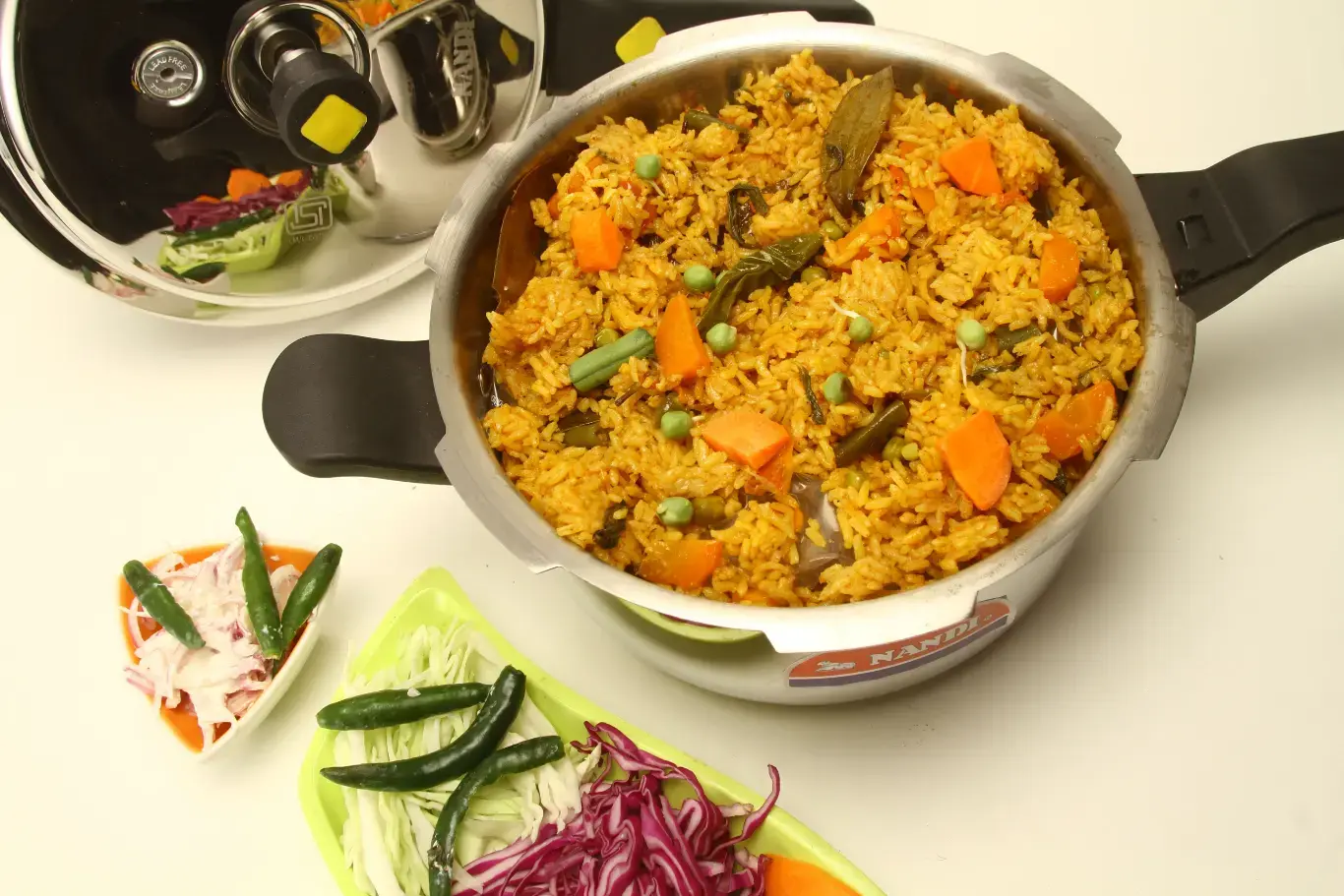
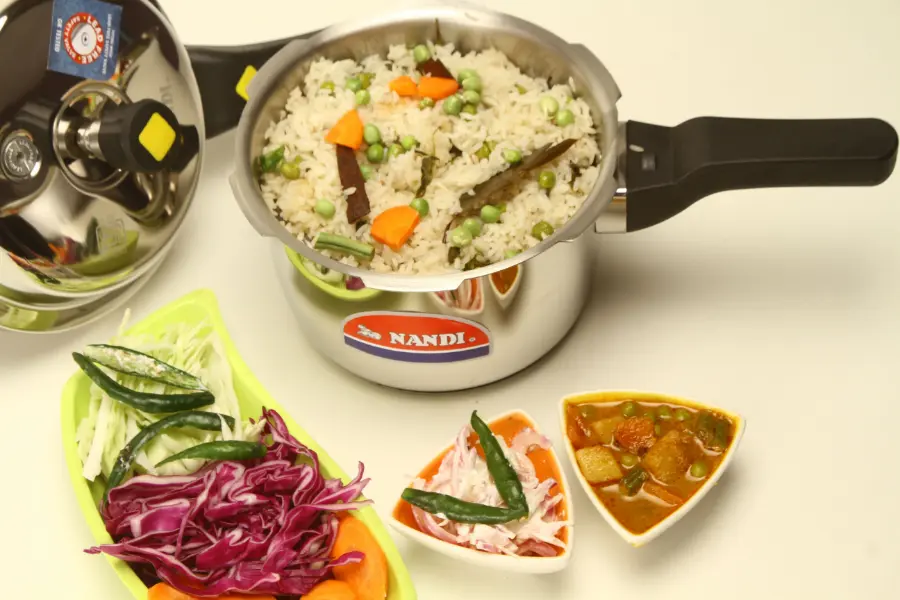
A rice cooker and a pressure cooker can both turn a cup of dry rice into dinner, but they work in very different ways. A rice cooker is built mainly for rice and needs almost no input from you. You add rice and water, press a button, and it drops to a warm setting once the rice is done.
A pressure cooker traps steam to cook hotter and faster. It handles beans, stews and tough cuts of meat as easily as rice, though it asks a little more of you.
Which one belongs on your counter comes down to two things: how often you cook rice, and what else you want the appliance to do.
Feature | Rice cooker | Pressure cooker |
How it cooks | Boils the water, then switches to warm once the rice absorbs it | Seals in steam, which raises the boiling point to about 250°F (121°C) |
White rice, start to finish | About 30 to 65 minutes | About 20 to 30 minutes, counting the time to build and release pressure |
Brown rice | Slow, especially on basic models | 22 to 25 minutes at pressure, plus about 15 minutes to release |
Rice quality | Very consistent within the model's rated capacity | Good, but more sensitive to water ratio and timing |
Other foods | Mostly grains, porridge and steamed vegetables | Beans, soups, stews, meat, grains and more |
Effort | Press a button and walk away | Set the time and pressure, then release the steam safely |
Keep-warm mode | Standard on most models | Common on electric models, absent on stovetop ones |
Typical cost | Basic models are usually cheaper | Multi-function electric models usually cost more |
Rice cookers reached Japanese homes in the 1950s, and the basic idea has barely changed since. A heating element warms an inner bowl, and a sensor decides when the rice is done.
A standard rice cooker has a hot plate under the bowl and a thermostat. While there is free water in the pot, the temperature holds at the boiling point. Once the rice soaks up the last of it, the temperature climbs, the thermostat notices, and the cooker switches itself to warm. That simple trick is why a basic rice cooker rarely burns rice or leaves it soupy.
Many models use a nonstick inner bowl, so stir and serve with a wooden spoon or plastic rice paddle instead of metal utensils that can scratch the coating.
Pricier models add a microchip that adjusts time and temperature as the rice cooks, often called fuzzy logic. Some also use induction, which heats the bowl directly with an electromagnetic field instead of a hot plate.
More technology does not always mean better rice, though. When America's Test Kitchen tested rice cookers across a range of models, the ones with longer, slower cycles made the best rice. Induction models cost more but did not reliably beat standard ones.
A pressure cooker is a pot with a locking lid and a rubber gasket that keeps steam from escaping. As the liquid inside heats, the trapped steam raises the pressure, and higher pressure means a higher boiling point.
At about 15 psi above normal air pressure, water boils at roughly 250°F (121°C) instead of 212°F (100°C). That hotter liquid and steam push heat into food much faster, which is why a pressure cooker can soften dried beans or a beef shoulder in a fraction of the usual time.
Stovetop models sit on a burner like the rest of your cookware and usually reach the full 15 psi. You control the heat yourself, so you need to stay nearby.
Electric models plug in, regulate their own pressure and switch off on a timer. Many run at about 12 psi instead of 15, so recipes written for stovetop cookers can need 15 to 20 percent more time. Most electric models also add presets for rice, sautéing and slow cooking.
Both appliances can make good rice, and most electric models of each keep it warm afterward. They part ways on speed, rice quality, range and how much attention each one needs.
A pressure cooker is faster, but for white rice the gap is smaller than most people expect. White rice needs only 3 to 6 minutes at high pressure. Add the time to build pressure and a 10 to 15 minute natural release, and you land at about 20 to 30 minutes. In the same rice cooker tests mentioned above, the fastest models finished a large batch of long-grain white rice in about 30 minutes, and the slowest took about 65.
The pressure cooker pulls well ahead with brown rice, wild rice, whole grains and dried beans, which generally take longer with conventional stovetop cooking.
The key difference is who decides when the rice is done. In a rice cooker, the thermostat senses when the water is gone and switches to warm on its own, so you never set a time. That is why a good model gives very consistent results within its rated capacity.
With a pressure cooker, you choose the cooking time and the release method, and the locked lid means you cannot check on the rice along the way. If the time is off for your rice or batch size, you only find out when you open the pot. A Tom's Guide editor who cooked white rice in both found the Instant Pot did well but still fell short of a dedicated rice cooker.
A pressure cooker handles soups, stews, curries, beans, lentils, stocks and meat, and electric models add sautéing and slow cooking. Many rice cookers handle porridge, quinoa or steamed vegetables in a basket, but rice remains their main job.
With a rice cooker, you add rice and water and walk away. A pressure cooker needs a lid that locks properly, a clean gasket, liquid below the fill line and a careful steam release at the end. Modern models build in locking lids and release valves, but stovetop cookers still need you nearby.
Most rice cookers hold rice on a warm setting for hours, which matters for food safety as well as convenience. Cooked rice can carry Bacillus cereus spores that survive cooking, so it should stay above 140°F until served or go into the fridge within two hours. A rice cooker's warm setting handles the first part for you. Electric pressure cookers usually have a keep-warm mode too, while stovetop models do not.
Some rice cookers also cook under pressure, and most electric pressure cookers now include a rice setting.
These are high-end rice cookers that add pressure to the cooking cycle. Zojirushi, one of the best-known makers, says pressure helps produce plumper, stickier grains with more chew, and the difference shows most in short-grain and brown rice. They cost several times more than a basic rice cooker, though, and they are still built around rice.
Electric multicookers, such as the Instant Pot, are pressure cookers with a rice preset, a sauté function, slow cooking and often yogurt making. Some models even come with a lid that turns them into an air fryer. If counter space is tight and rice is only one of many things you cook, a multicooker covers the most ground in one machine.
Start with what you cook most in a normal week.
In homes where rice comes with almost every meal, many cooks keep both. The rice cooker handles the rice while the pressure cooker makes the dal, curry or stew that goes with it.
Share:
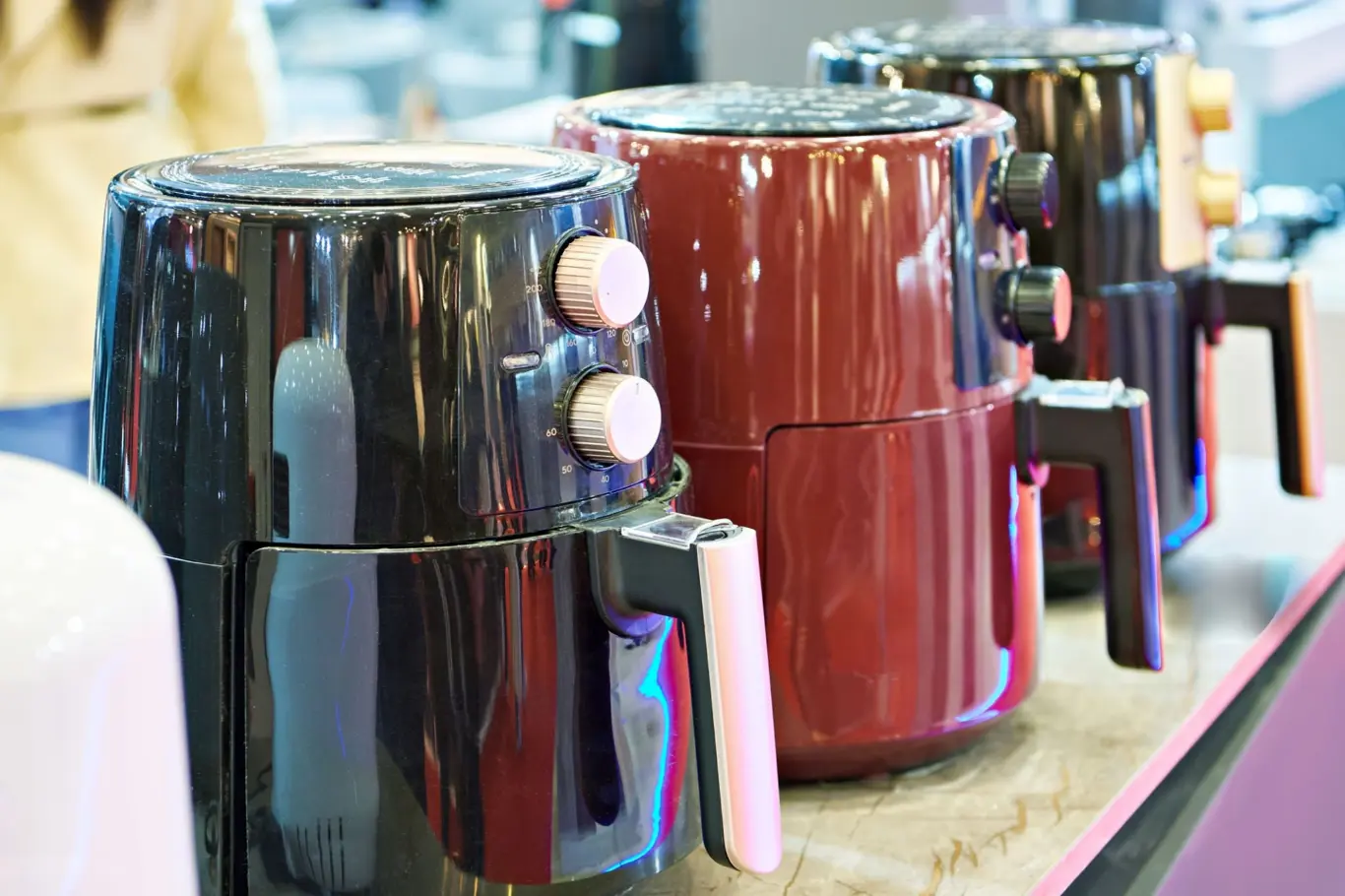
Learn how to choose an air fryer based on size, capacity, features, power, and budget with this simple buying guide.