Cart (0)
No products in the cart.
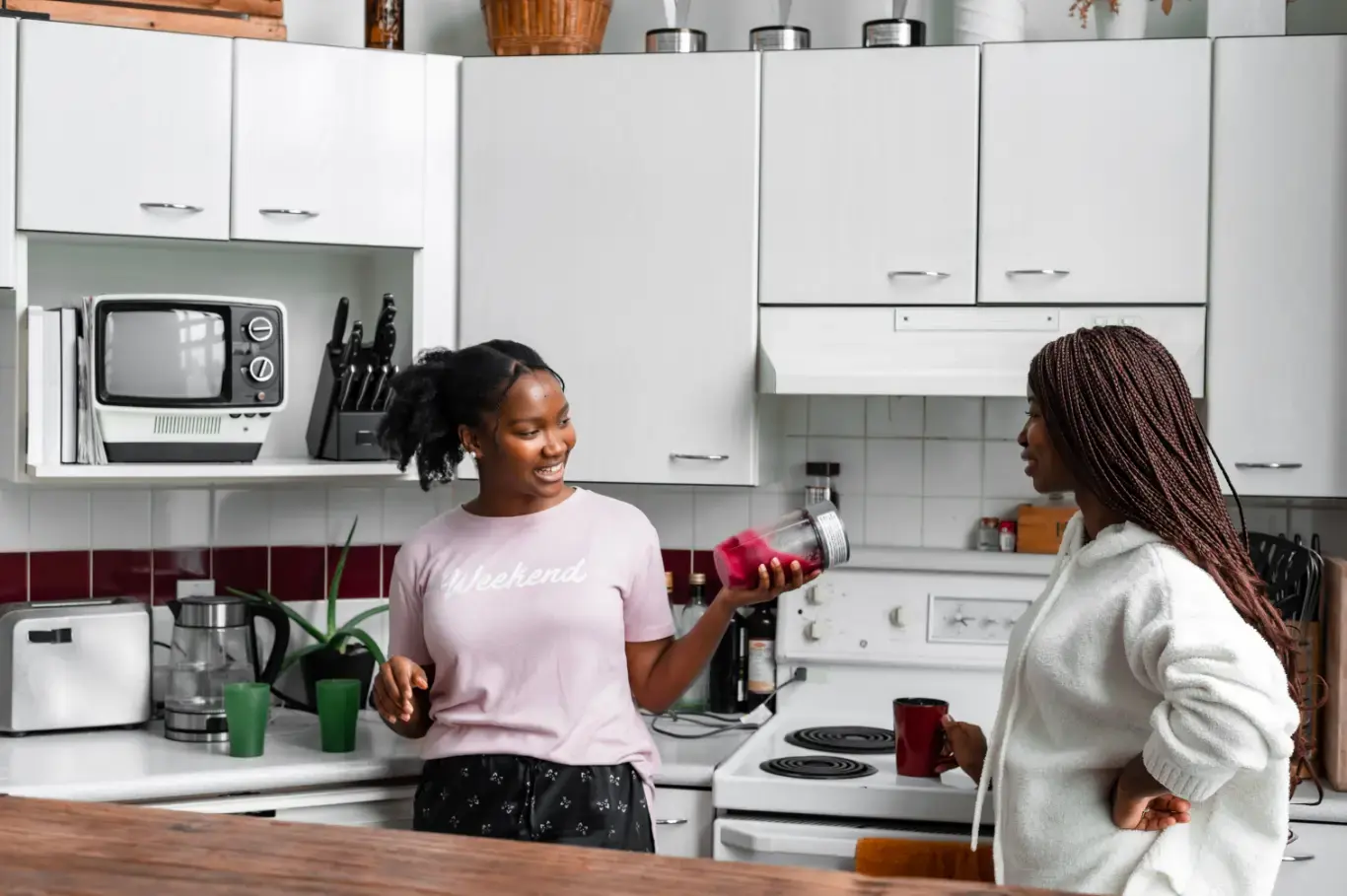
The best blender is the one built for what you blend most. A machine that turns frozen mango into a smooth drink in seconds can be clumsy with a single protein shake, and a stick blender that purees soup right in the pot isn't made for a pitcher of frozen drinks. Price, wattage, and preset buttons matter, but only once that first question has an answer.
This kitchen blender guide is for home cooks buying a first blender or replacing one that never quite did the job.
Read More : The Ultimate Guide to Choosing the Best Kitchen Appliances
Start with the job you'll do most often and pick the type designed for it. If two jobs tie, choose for the harder one.
Plenty of kitchens end up with two, usually a countertop model for big batches and an immersion blender that lives near the stove.
Blenders fall into four groups, and size is only part of what separates them. Each type is built around a different set of jobs, and none of them handles everything well.
This is the blender most people picture: a motor base under a large jar with a lid. It handles smoothies, milkshakes, frozen drinks, dips, and sauces without much fuss, which makes it the default choice for households that blend a few times a week.
The limits show with the hardest jobs. Consumer Reportsnotes that conventional models may not turn ice into fine snow or produce the very smoothest frozen drinks, though they get everyday tasks done.
Manufacturers sell these as premium or high-performance machines. Stronger motors, heavier blades, and jars shaped to keep food circulating let them grind nuts into butter and blend whole fruit into a drink that keeps its pulp. Models designed for it can also run long enough for blade friction to heat soup.
Many are taller and heavier than conventional models, so compare dimensions before you buy. They suit cooks who blend every day or make dense mixtures often.
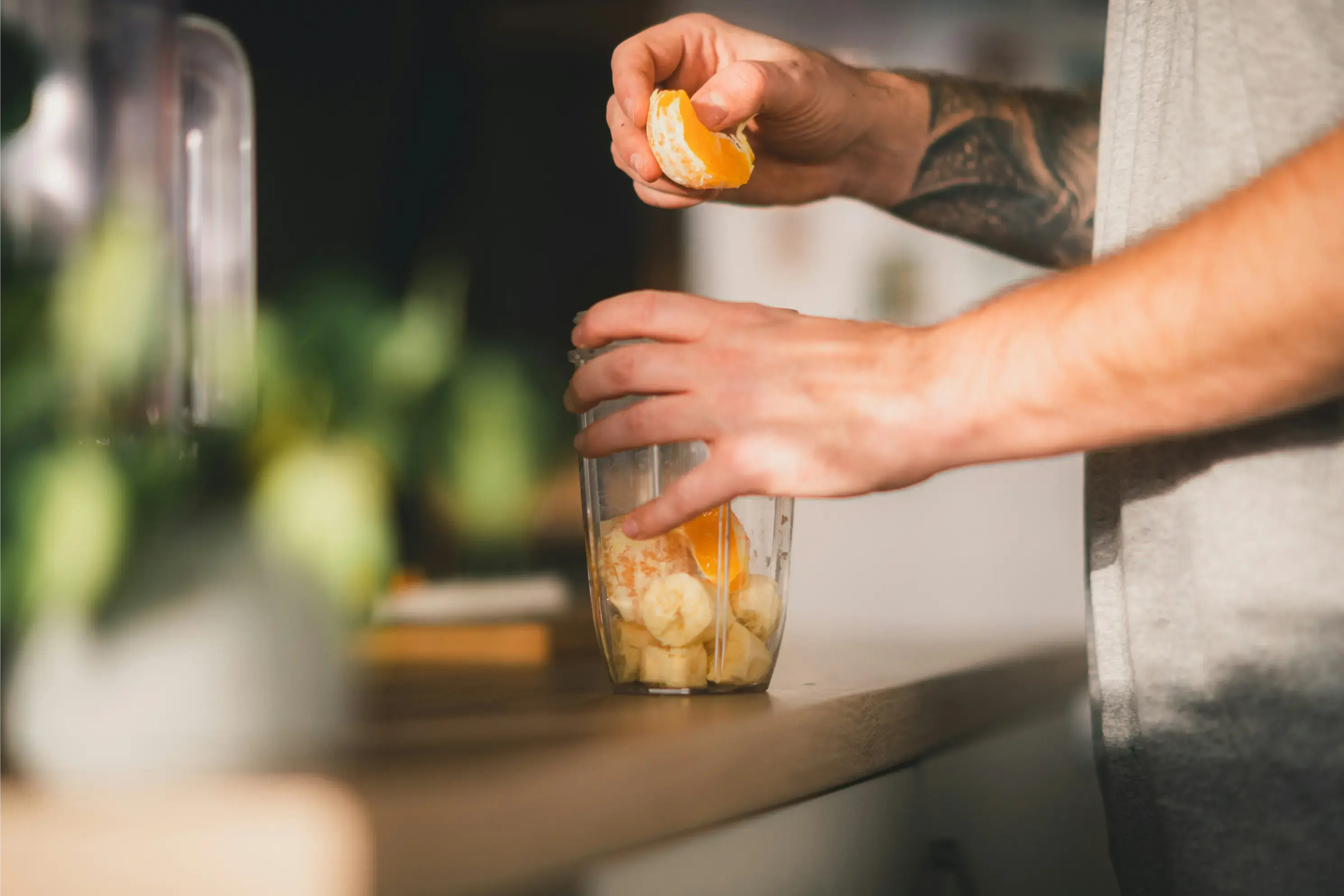
A personal blender mixes directly in a cup that doubles as a travel bottle. You fill the cup, twist on the blade, flip it onto the base, and leave with your drink. For a single smoothie or protein shake, it saves pouring the drink into another container and washing a large jar.
The cups hold one or two servings, so a personal blender rarely covers a family's needs on its own. What it can handle, from ice to nuts, varies by model, so check the manual's list of approved ingredients.
Also called a hand or stick blender, this is a wand with blades at the tip. Instead of pouring food into a jar, you lower the blender into the pot, bowl, or measuring cup.
It purees soup on the stove, smooths gravy, mixes dressings, and whips cream, then fits in a drawer. Most standard blending shafts aren't designed for ice or thick frozen blends, though some models offer ice-crushing attachments.
A blender's box can list a dozen selling points. These are the ones that change how it performs day to day.
Blender motors run from about 300 watts to more than 2,200. Extra power helps with frozen, dense, or sticky ingredients, yet wattage alone doesn't predict how well a blender performs. Consumer Reports points to blade design and jar shape as factors too.
Look at how a model handles the recipes you make, in reviews and performance tests, rather than at the number on the box.
Full-size jars hold enough for a family batch, and personal cups hold one or two servings. Bigger isn't automatically better. Small batches may not circulate properly in a large, wide jar, so if you usually make one drink at a time, a smaller jar can work better. Check the usable capacity too. The figure on the box can be the jar's total volume, the max-fill line sits lower, and many manuals list a minimum batch size.
Plastic is light and hard to break, which is why most of Consumer Reports' top-rated blenders use it, but it can hold onto smells and stains. Glass resists odors and scratches, though it's heavy and can crack from a hard knock. Stainless steel is durable, but you can't see the mixture without opening the lid.
Whatever the material, a wide opening and easy-to-read measurement marks make filling and cleaning simpler. With plastic, check that it's labeled BPA-free.
The blades and jar work as a pair. A well-shaped jar creates a vortex that pulls food down into the blades rather than letting it sit above them. High-performance models often add a tamper, a stick you push through the lid to move thick mixtures back toward the blades.
A removable blade assembly lets you clean underneath it, but it relies on a rubber gasket that can leak if it wears or sits crooked. Fixed blades remove the step of refitting a seal, though they aren't immune to leaks and take more effort to scrub underneath.
Consumer Reports considers three speeds generally enough, so a long row of settings isn't worth extra money on its own. A pulse button matters more than the count, since short bursts let you crush ice or chop salsa without turning it to liquid. Programmed settings for smoothies, ice, or soup help if you make the same things often and want the blender to adjust its speed and stop on its own.
Controls affect cleanup too. A flat touchpad wipes clean in one pass, while push buttons let grime collect in the gaps.
No blender is quiet. America's Test Kitchenprefers models that stay under 100 decibels, and noise varies widely from one model to the next. If you blend early while others sleep, read owner reviews for noise complaints before you buy.
A blender that's a chore to clean ends up at the back of a cupboard. Check whether the jar, lid, and blade go in the dishwasher, and whether you can reach around the blades with a brush. A smooth base without deep seams wipes clean faster.
A longer warranty can signal the maker's confidence, though it doesn't prove the blender will last. Budget models typically carry one year of coverage, while some high-performance machines carry up to ten. Read what it includes, since some warranties cover the motor but not the jar or blades.
Individual recipes ask different things of a blender. Before you buy, check the machine against the few dishes you'll make most.
What you make | What to look for |
Smoothies with frozen fruit | Enough power for frozen ingredients, a pulse button, and a jar that pulls food down well |
Crushed ice and frozen drinks | Ice listed as an approved use in the manual, plus an ice setting or a reliable pulse |
Hot soup | A container the manual approves for hot liquids, or an immersion blender used in the pot |
Nut butters | Nut butter listed as an approved use and a jar sized for small, thick batches |
Flours and ground grains | A model or container the maker approves for dry grinding |
Mayonnaise and dressings | A low speed that is genuinely slow; America's Test Kitchen found the NutriBullet Full Size Blender's low speed too fast to emulsify mayonnaise |
Baby food | A small jar or cup that purees smoothly and comes apart for washing |
Protein shakes on the go | A personal blender with spare travel cups |
How you load the jar also affects the result. For a countertop blender, Consumer Reports suggests liquids first, then leafy greens, nuts and seeds, soft foods like yogurt, fresh fruit, and frozen ingredients last, so their weight presses everything into the blades. A personal blender cup gets flipped onto the base, so the order runs in reverse.
Read More: Healthy Cooking Made Easy: Essential Tools You Need
Approximate US retail prices run from about $20 to well over $600. Consumer Reports has found that a higher price often brings better performance, though good budget models exist. Timing helps too: Consumer Reports lists May, June, November, and December as the best months to buy.
This range covers most personal and immersion blenders plus entry-level countertop models. Many make good smoothies and shakes, though some struggle with ice and thick mixtures, so check reviews for the jobs you have in mind. A sensible place to start if you blend once or twice a week.
Mid-range countertop blenders often add more power, more settings, and extra jars or travel cups, though build quality varies between models at the same price, so compare specific models rather than relying on price. It suits households that blend several times a week and want more than the basics.
Most high-performance blenders sit in this range, and many carry longer warranties. The price makes the most sense for demanding recipes made often, such as dense frozen desserts or nut butters, rather than a simple daily shake.
Most blender regrets have little to do with blending. They come from details that are easy to miss in a product listing.
Measure the gap between your counter and the cabinets above it, then compare it with the blender's height plus the room you need to lift the jar off the base. Some tall models won't fit under cabinets at all and need a spot of their own. If the blender will live in a cupboard, plan the space the way you would when youorganize your kitchenaround the tools you use daily.
Bundles with three jars, two cups, and a chopping bowl look generous on the box. Every extra piece needs a home in your cabinets, though, and many go unused. Pay for the attachments that match dishes you already make.
Jars crack, lids go missing, and gaskets wear out long before a good motor does. Check whether the maker sells replacement jars, lids, blades, and seals before you buy, since one missing lid or seal can retire an otherwise healthy blender.
A blender can roughly chop some ingredients, but it won't produce consistent dice, slices, or shreds. Keep a knife, a box grater, or otherfood preparationtools on hand for those jobs, or look at a food processor.
A few small habits keep the jar clean and spare the motor unnecessary strain.
Clean it while the mess is fresh. If your manual allows it, fill the jar halfway with warm water, add a drop of dish soap, run it for 30 seconds, and rinse. Dried smoothie on the blades takes far more scrubbing. Leave the lid off while it dries so moisture doesn't get trapped.
Stop the blender and unplug it before reaching into the jar. Metal spoons can scratch the jar and nick the blades, so scrape out thick blends with silicone cooking utensilsinstead.
Go easy on the motor. If it strains or gives off a hot smell, stop, add a splash of liquid, and let it rest instead of pushing through.
For hot liquids, the manual is the only reliable guide. Some full-size blenders are built to run hot soup with the lid locked in place, others call for venting, and sealed personal blender cups generally aren't meant for hot ingredients at all. Follow the maker's limits on temperature, maximum fill, lid setup, and speed, or blend the soup in its pot with an immersion blender.
Before comparing models, write down the three things you'd blend in a typical week and how many people each one feeds. That short list settles the type, the jar size, and roughly how much motor you need.
Share:
How each one works, which cooks rice better and faster, and which one suits the way you cook.