Cart (0)
No products in the cart.
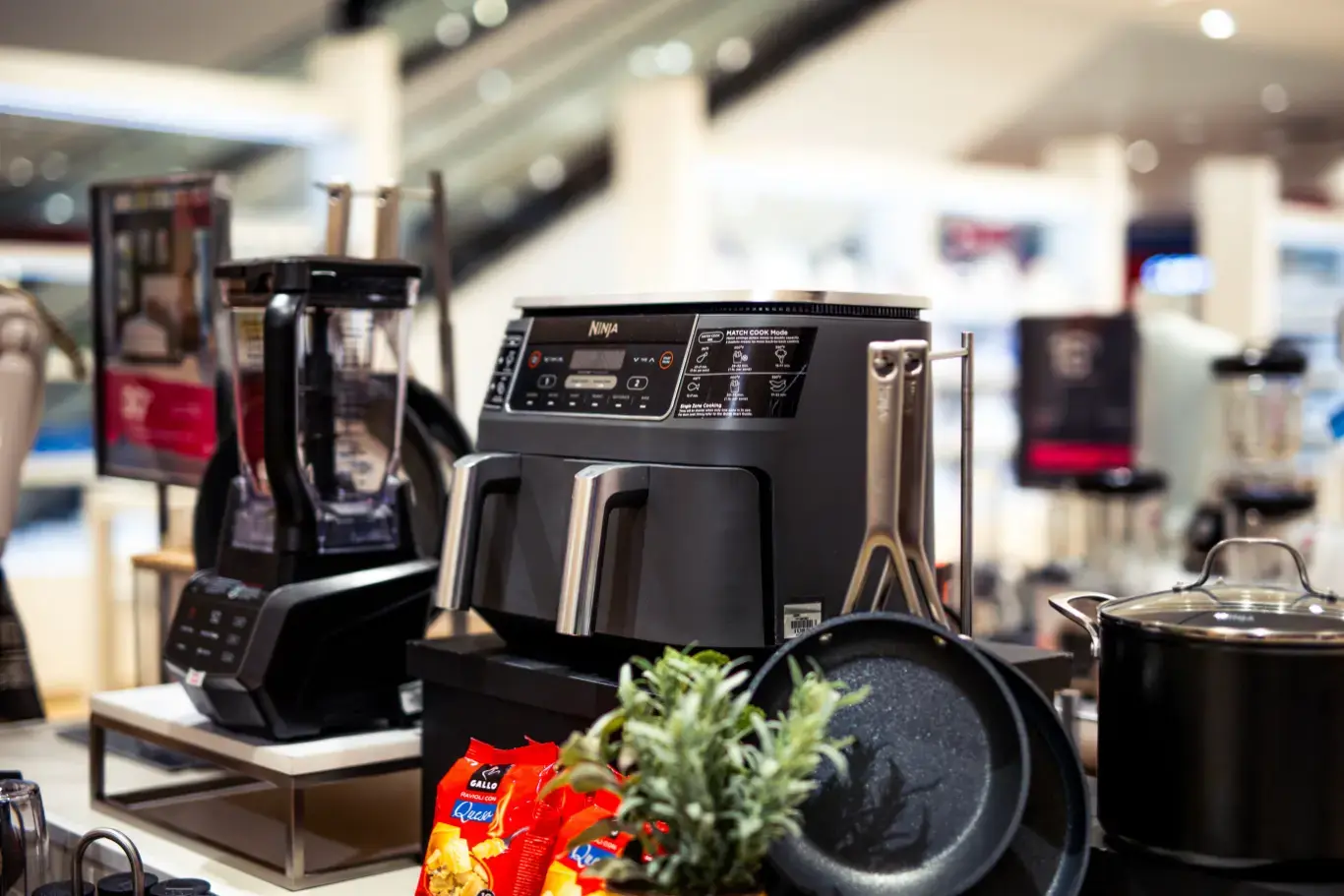
A blender and a food processor both sit on a motor base and spin a blade, so it's easy to see them as two versions of the same machine. The difference shows up in what comes out. A blender is built to make food smooth and pourable, while a food processor is better suited to chopping, slicing, and shredding.
So the food processor vs blender choice comes down to the kind of cooking you do most.
If the finished dish is something you sip, pour, or drizzle, use a blender. If it still has pieces you chew, use a food processor.
The two machines look alike from the outside. Inside, the container and blade are shaped for different jobs, and that's where the results start to differ.
A blender pairs a tall, narrow jar with a fixed blade at the bottom. The blade spins fast, and the jar's shape folds ingredients back down into it, so food keeps cycling through until it's smooth. Liquid keeps that cycle going, which is why thick mixtures with too little of it tend to stall above the blades.
A food processor uses a wide, flat work bowl and a removable S-shaped blade that usually spins slower than a blender's. It's built mainly for chopping, so you can stop at the texture you want. On most full-size models, a disc fits at the top of the bowl; you push food down a feed tube onto it and get even slices or shreds.
This table covers how the two compare in daily use. Capacities and attachments vary by model, so check the specs of any machine you're considering.
Factors | Blender | Food processor |
Best result | Smooth and pourable | Chopped, sliced, shredded, or a thick puree |
Liquid | Usually needed to keep food moving | Little or none needed |
Slicing and shredding | Not possible | Yes, with the included disc |
Dough | Usually not the best choice; some models can knead it | Many can knead it; use the blade the manual specifies |
Raw meat | Possible on some models; check the manual | Can mince it with short pulses |
Capacity | Around 2 cups for personal cups, more for full-size jars | Roughly 5 to 16 cups claimed for full-size models |
Getting food out | Pour from the spout | Lift out the blade, then scrape |
Storage | One jar and blade | Bowl, blades, and discs to find space for |
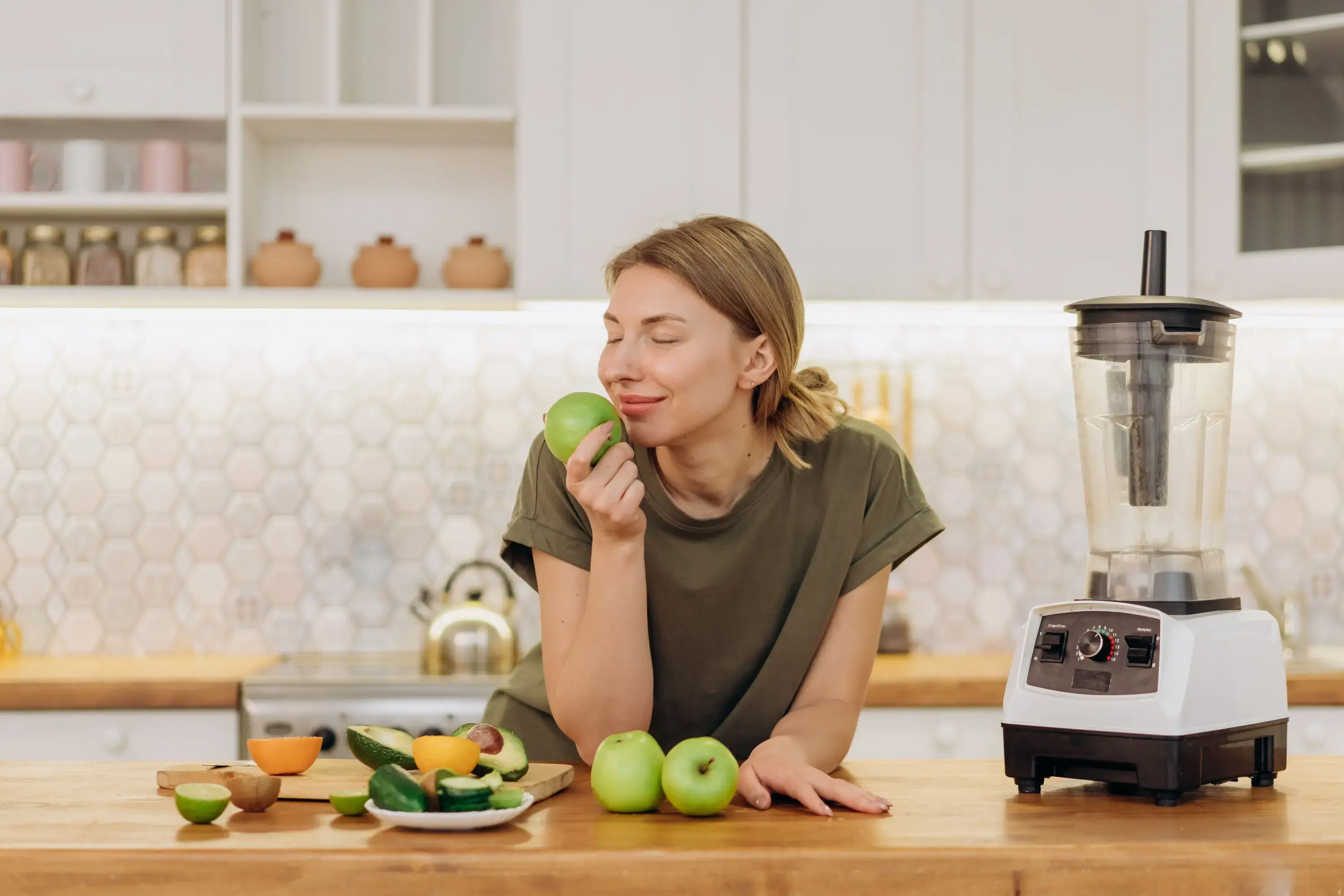
A blender is the better pick for anything that needs to end up completely smooth. The jobs below are where it usually has the edge.
Frozen fruit, ice, and fibrous greens like kale need fast blades and steady circulation to break down evenly. In a food processor's wide bowl, they scatter instead of circulating.
For a velvety squash soup, a silky tomato sauce, or a pourable dressing, a blender gives a finer texture than a processor's slower blade. Hot liquids are where models differ most. Some blenders are designed for them, but a sealed personal cup can build up pressure, so check the manual before blending anything hot.
A blender can turn soaked almonds or oats and water into a homemade milk you strain afterward. It can also grind granulated sugar with a little cornstarch into powdered sugar when you run out halfway through a recipe, though some manufacturers advise against dry grinding, so check the manual first.
Read More : Healthy Cooking Made Easy: Essential Tools You Need
A food processor takes over the slow, repetitive side of food preparation. Use it when size and texture matter.
A bag of potatoes for a gratin, a head of cabbage for slaw, or a block of cheese for lasagna takes a few minutes instead of a long stretch with a knife or grater. A wider feed tube means less trimming beforehand, since whole cucumbers and larger potatoes can go in as they are.
Short pulses chop onions, carrots, celery, and peppers into pieces you can still cook with, and you can stop the moment they look right. A blender tends to pull vegetables into a wet, uneven mix before you can catch it.
Many processors can knead pizza or bread dough in short bursts, using the blade and batch size the manual specifies. Going too long overworks the dough, so follow the recipe's timing. The standard blade turns stale bread into crumbs and crackers into a pie crust base in seconds.
Cubed raw meat pulsed in small batches gives you a coarse grind for burgers or meatballs without a separate grinder.
Plenty of recipes work in either machine. The choice then comes down to the texture you want, so it helps to know how each one changes the result.
Dish | In a blender | In a food processor |
Hummus | Very smooth, though it may need extra liquid to keep moving | Thick and slightly coarser; scrape the bowl once or twice |
Pesto | Close to a smooth sauce | Keeps some texture from the herbs and nuts |
Salsa | Smooth and pourable | Chunky, with pulses deciding the size |
Nut butter | Needs a high-powered blender; follow the maker's recommended batch size | Works in suitable models; follow the recommended batch size and scrape the sides as needed |
Mayonnaise and aioli | Pour the oil slowly through the lid opening | Pour the oil slowly through the feed tube |
Baby food | Fine purees for first foods | Thicker, chunkier textures for older babies |
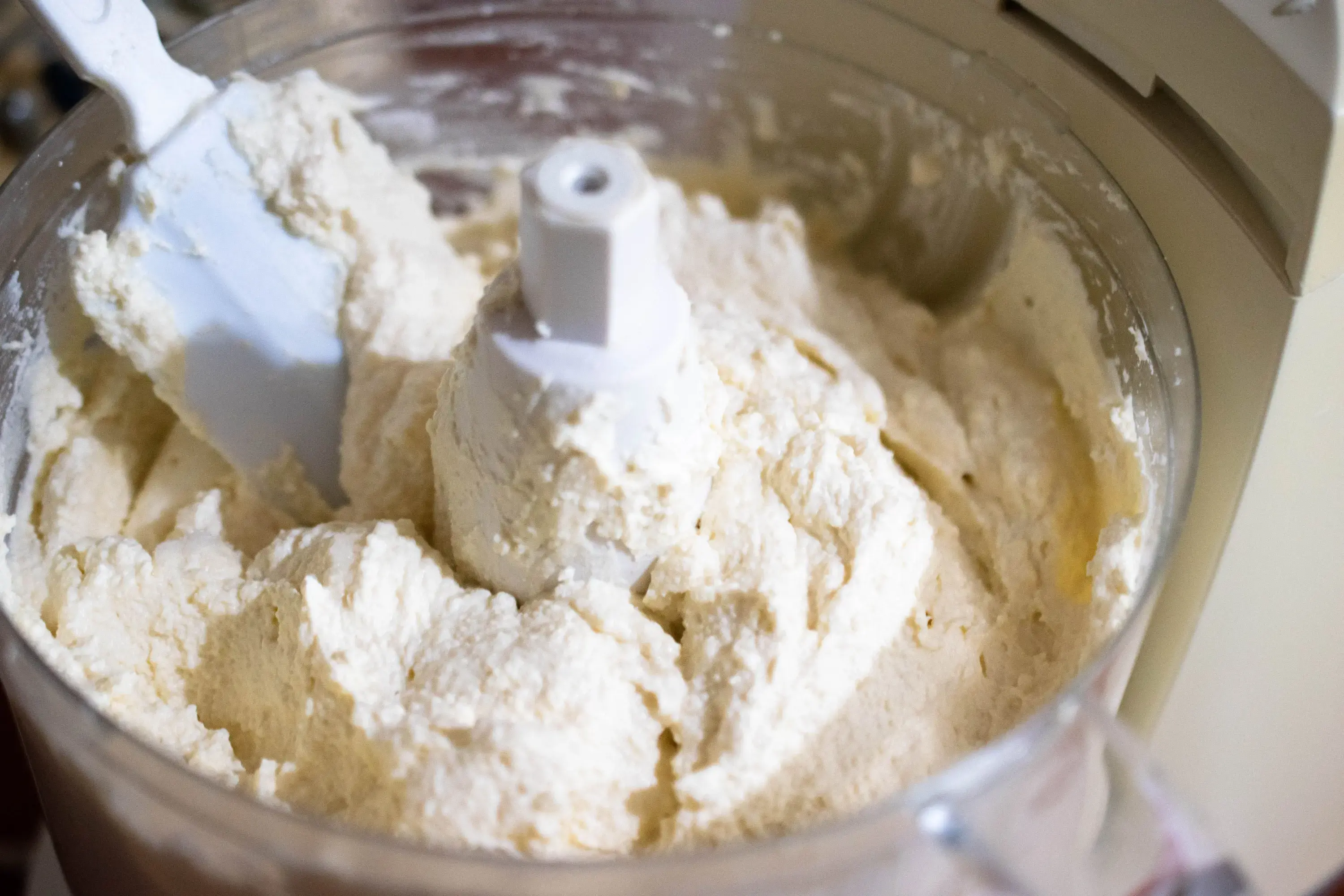
Each machine can cover for the other now and then. Neither does it well enough to replace the other if you lean on that job every week.
In small batches, a blender on pulse can rough-chop a quick salsa or, if the manual allows dry ingredients, make breadcrumbs. It can't slice or shred, and it struggles with anything you want in neat, even pieces.
A processor purees soft foods well enough for dips and spreads. Thin liquids are the problem. Most bowls have a maximum liquid line, and filling past it can cause leaks, so stay below it and split larger amounts of soup or smoothie into batches. Drinks with ice also come out grainier than they would from a blender.
Some brands sell one motor base with both a blender jar and a processor bowl, and certain high-end blenders offer food-processing attachments. These save counter space. Before buying one, compare the bowl capacity, the attachments included, and how each container performs on the tasks you do most.
If you only need to mince herbs or chop half an onion, a mini food chopper is a smaller step. These usually hold about 2 to 4 cups and skip the slicing and shredding discs, as Consumer Reportsnotes. An immersion blender with a chopper attachment covers similar ground.
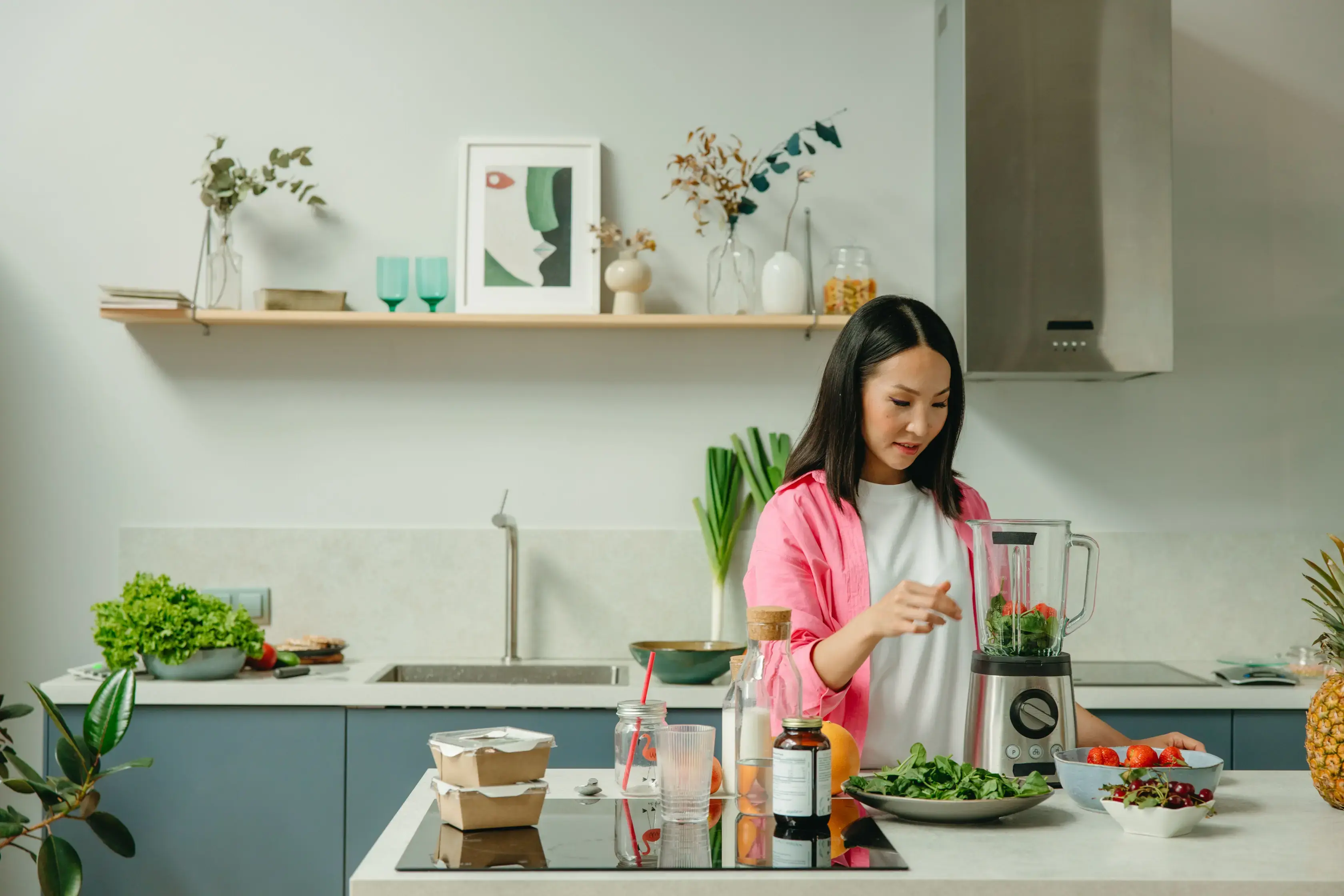
Look at what you made over the past two weeks rather than what you hope to make. The machine that would have handled most of it is the one to buy.
Start with a blender if your list is mostly drinks, purees, and sauces. Anyone who makes a smoothie most mornings or a pot of soup every week will get steady use from it.
Start with a food processor if you cook from scratch and spend real time chopping, slicing, and grating. Consumer Reports considers about 7 cups enough for most tasks, while 11 to 16 cups suits cooks who feed a crowd, at the cost of more weight and counter space. Many models come without a case for the blades and discs, so plan where they'll go when you organize your kitchen. For US shoppers, Consumer Reports lists November and December as the best months to buy.
Cooks who do both kinds of work most days often end up with both. If counter space is the obstacle, a combo base is worth comparing against two separate machines. If you chop only a few times a week, though, a sharp knife and the right kitchen tools and utensilsmay serve you better than a food processor.
Read More : The Ultimate Guide to Choosing the Best Kitchen Appliances
Share:
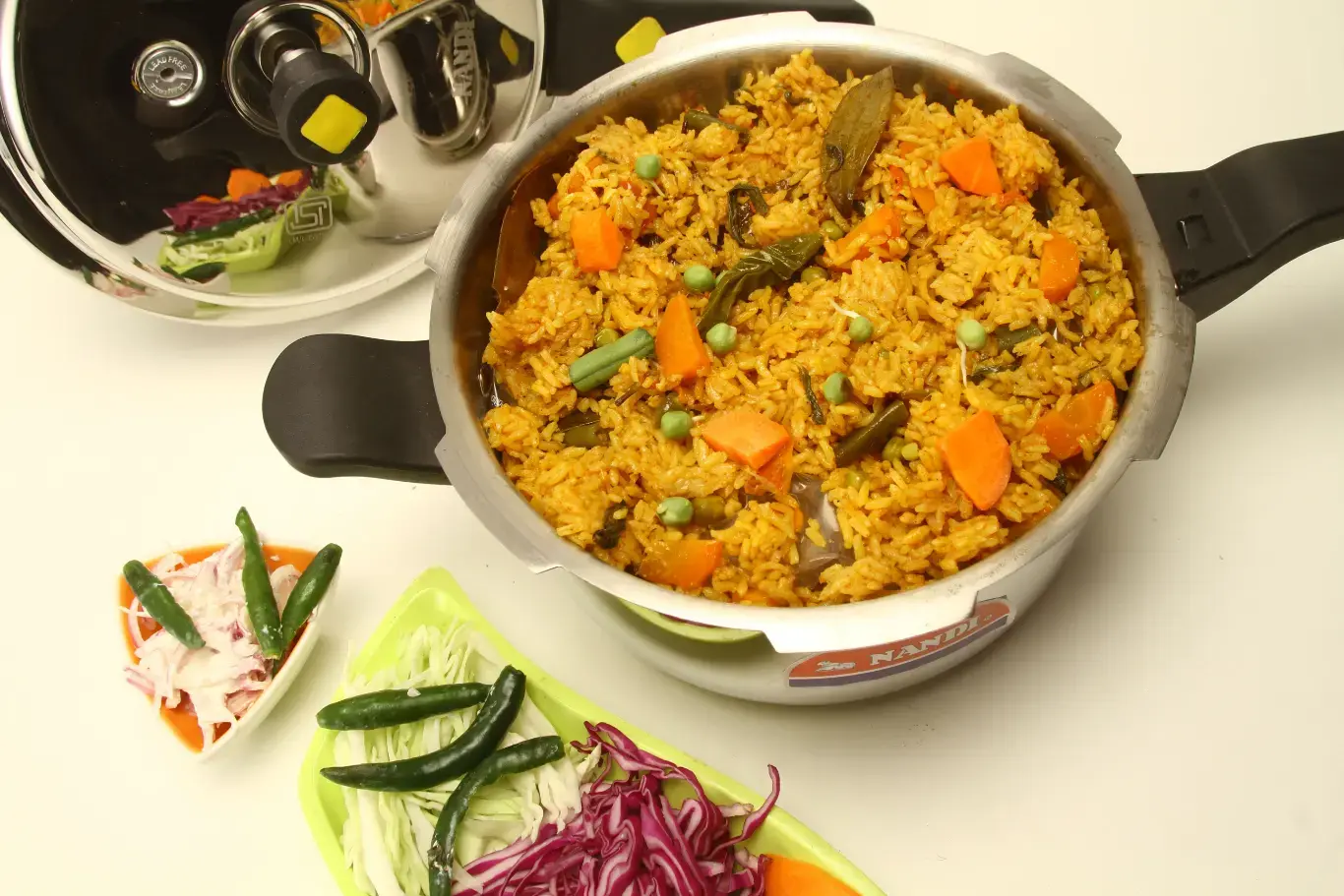
How each one works, which cooks rice better and faster, and which one suits the way you cook.